Why Zero Trust OT Gateways Stall During System Commissioning
Why Zero Trust OT Gateways Stall During System Commissioning
Putting a zero trust gateway into an operational technology network isn't like installing regular software. It's more like rebuilding how trust works on the network from the ground up, and that process often runs headlong into old-school commissioning methods. The result is usually critical delays and devices getting locked out when you least expect it.
Clarity: What Zero Trust Actually Means for OT Gateways
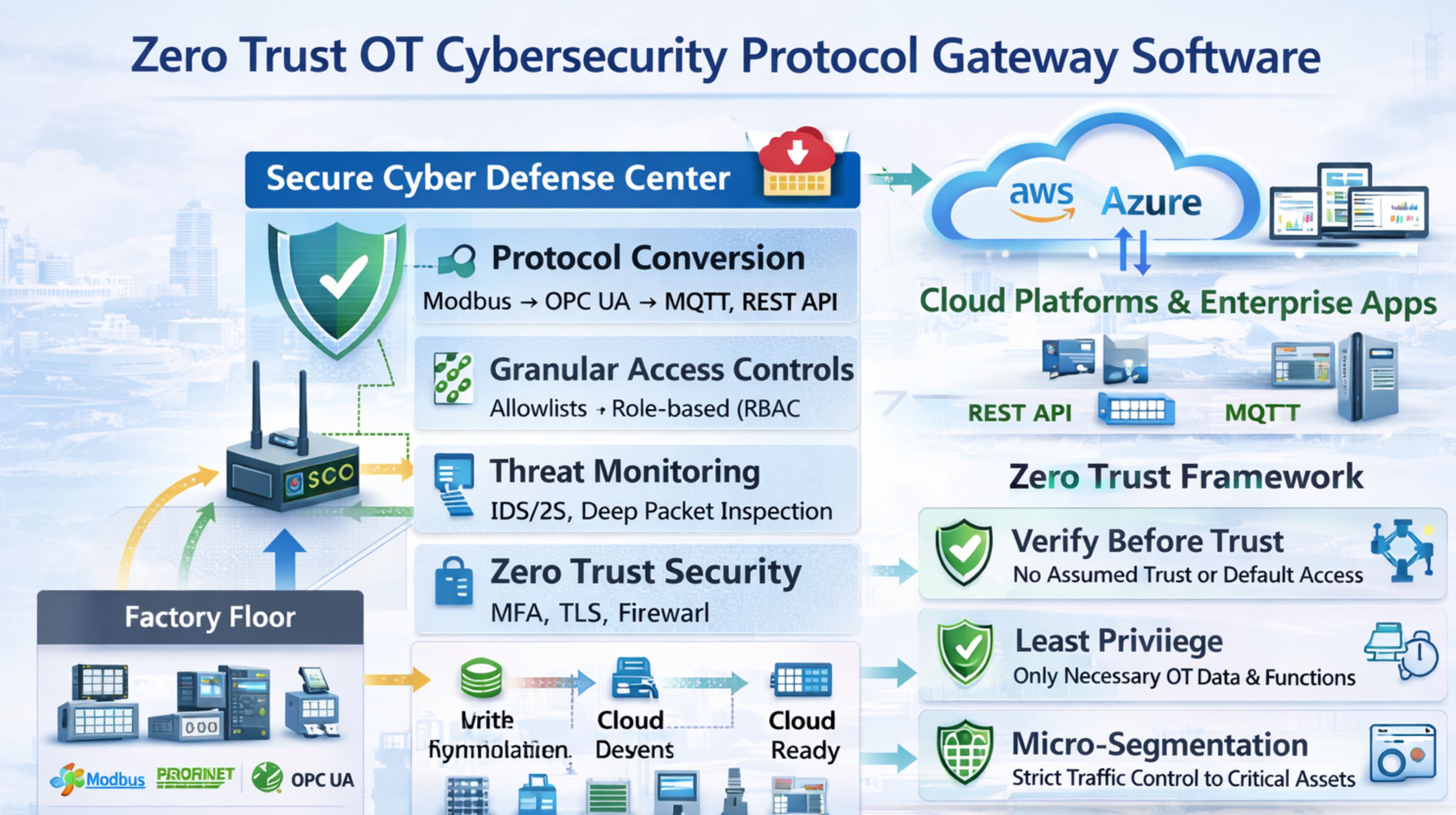
So in practice, a zero trust OT gateway isn't just another firewall. It becomes this policy enforcement point that assumes every single device, command, and data packet is guilty until proven innocent, needing constant verification. That forces the gateway to tie into identity systems, device lists, and real-time session data, building a really complex policy layer right between the engineers and the machines they're trying to get online.
Reality Check: What Happens Under Real Load and Change
I remember during one plant expansion, we saw a zero trust gateway that worked fine at first, then just started dropping Modbus TCP writes from the engineering workstations after about two days. The culprit wasn't the main rule set. It was some obscure session timeout parameter that wiped the device context—a detail you'd never find in the marketing specs. When real operational changes happen, these systems tend to fail quietly, blocking legitimate changes because they look like policy violations.
Mistake Risk: The Wrong Assumptions That Cause Failure
The most common trip-up is assuming zero trust is only for north-south traffic. Teams overlook that east-west traffic, like between PLCs and HMIs in the same cell, also needs authentication, which can wreck deterministic control loops. Another big one is treating the gateway as a "set it and forget it" box. The reality is its policy engine needs near-constant tweaking as new devices and protocols are integrated into the live network.
Decision Help: Scoping Your Gateway Deployment Depth
To figure out how deep to go with zero trust, start by mapping your highest-risk data flows—things like setpoint changes or firmware uploads. Use micro-segmentation to ring-fence those critical assets first, before even thinking about plant-wide enforcement. The key is to avoid a "big bang" cutover. A slow, phased rollout, flow by flow, is smarter. Getting an external protocol health audit can help here, isolating risk and giving you a clear path to roll back when policies inevitably clash with live operations.
FAQ
Question: Does zero trust slow down PLC communication?
Answer: It can, but the slowdown isn't usually from raw processing power. The main latency comes from all the context checks and policy lookups for each new session. For constant, repetitive traffic, once a session is established, the impact is pretty minimal. The real risk is that initial handshake during a time-sensitive operation.
Question: What's the biggest hidden cost of an OT zero trust gateway?
Answer: It's the ongoing policy management, hands down. The software license is an upfront cost, but the real operational cost is the engineering hours needed to constantly update device lists, troubleshoot why good traffic got blocked, and make sure the policies didn't break some legacy system interaction that everyone's forgotten about.
Question: Can you retrofit zero trust to old equipment?
Answer: Yes, but you do it through network segmentation, not by installing software agents. You put devices that can't run agents—which is most PLCs—behind a gateway that applies identity and policy based on network context (like IP, MAC, protocol). This creates a trust boundary, but you lose the ability to do device-level integrity checks.
Question: How do we know if our policies are too strict or too loose?
Answer: You need a validation phase with full traffic logging in monitor-only mode. If you see no policy denials for your critical traffic, the rules are probably too loose. If you see denials for standard engineering tool traffic, they're too strict. You're aiming for targeted, high-fidelity alerts, not an overwhelming block log or a silent permit-all that lets everything through.