When Your Digital Twin Stops Reflecting Reality
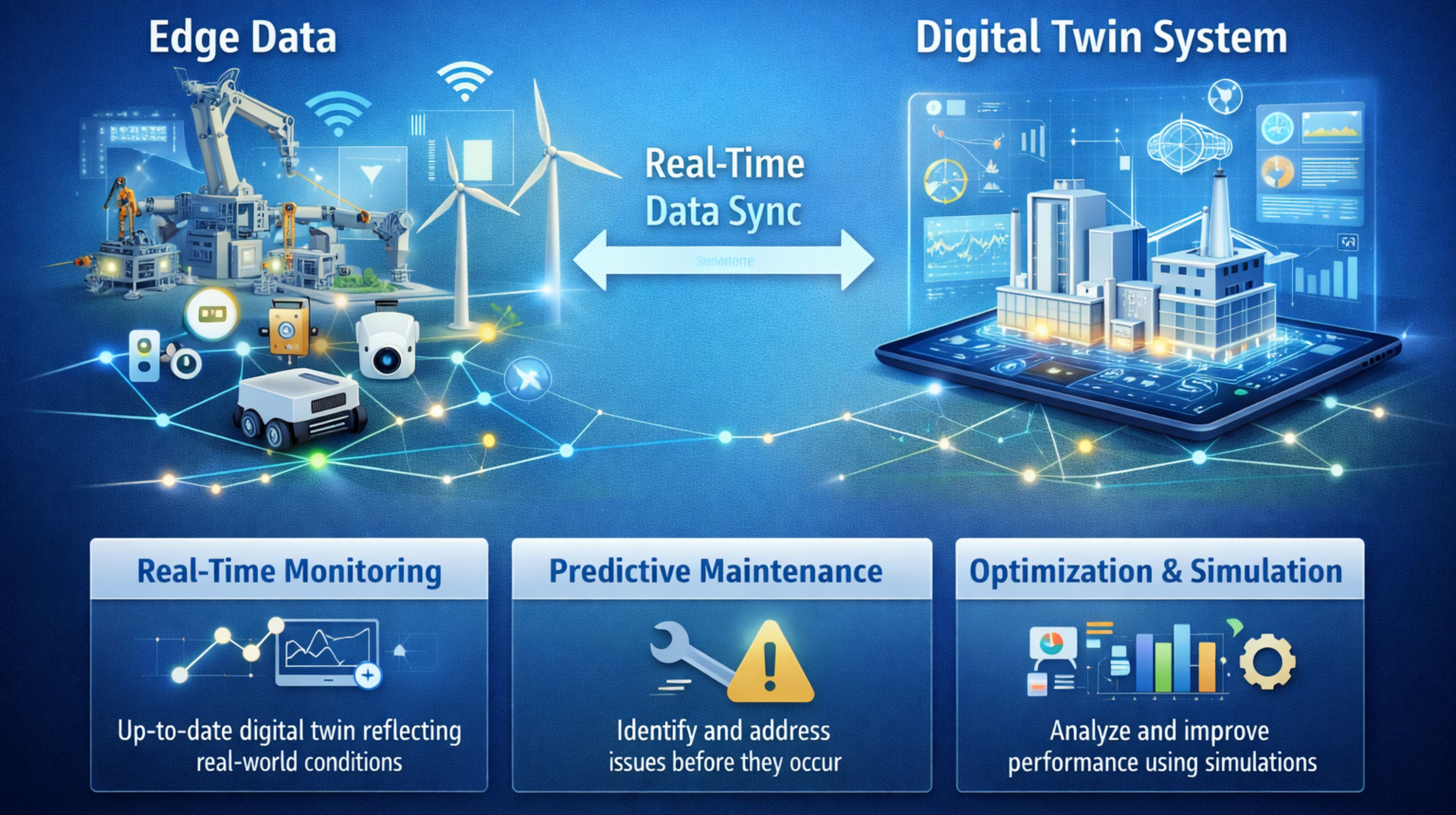
When Your Digital Twin Stops Reflecting Reality
You've built this model of your physical asset, but the data from the field is just a constant, messy stream. The real challenge, I've found, isn't just connecting them. It's keeping them meaningfully synchronized so the twin doesn't turn into a laggy, useless ghost of the real thing.
What Synchronization Actually Means for a Twin
In practice, syncing isn't a single data pipe. It's more of a layered process. Raw sensor data from the edge gets filtered and contextualized, and then only the relevant bits are mirrored into the twin's environment. You're aiming for a coherent, actionable state—not a one-to-one copy of every single voltage reading.
The Reality of Live Data Streams
What usually happens is you get a battle between frequency and fidelity. To avoid swamping the twin, teams throttle updates. But that can mask critical transient events, like a brief pressure spike, that the twin never even sees. I've been in plants where the twin shows perfect steady-state operation, while the maintenance logs tell a completely different story of constant micro-faults.
The Hidden Cost of "Near Real-Time"
A common trap is thinking faster sync is always better. Chasing ultra-low latency can push you into expensive edge compute upgrades. Often, what matters more is syncing the right data at the right logical moment—like after a machine cycle completes, not in the middle of it.
When to Sync Everything, and When to Summarize
Syncing everything makes sense for critical health checks or complex simulations where every parameter matters. But for a basic operational dashboard or long-term trend analysis? It's overkill. For those, sending pre-processed summaries from the edge is far more efficient. It keeps the twin from drowning in noise.
FAQ
What's the biggest technical hurdle in edge-to-twin sync?
Honestly, it's often a data schema mismatch. The edge device sends simple timestamp-value pairs, but the twin expects structured data with asset relationships and proper units. That translation layer ends up being a surprisingly complex piece of middleware.
How do you handle sync when the network connection drops?
This is where your strategy gets tested. A robust edge agent has to cache data locally. But the key is having it compress or summarize that data before the bulk transfer when the link comes back. Otherwise, you just dump a huge backlog that cripples the twin on restart.
Can you sync from multiple edges to a single twin?
Absolutely, and that's actually the typical setup for a large asset. The new headache becomes data fusion—synchronizing timestamps and states from dozens of sources into one unified view, without creating contradictions in the model's timeline.
Is two-way synchronization ever necessary?
It's less common, but it's powerful. Imagine running a "what-if" simulation in the twin and syncing the optimal setpoints back down to the edge controllers. The risk, of course, is creating unintended feedback loops, so it demands very strict version control of the twin's logic.