Should You Integrate Prescriptive Maintenance with Event-Driven Architecture?
Should You Integrate Prescriptive Maintenance with Event-Driven Architecture?
You're probably looking at all those event streams and wondering if you can get past simple alerts to something that actually tells you what to fix. The promise is huge, but honestly, the path to get there is messier than it seems.
What Prescriptive Maintenance Actually Means in an Event-Driven World
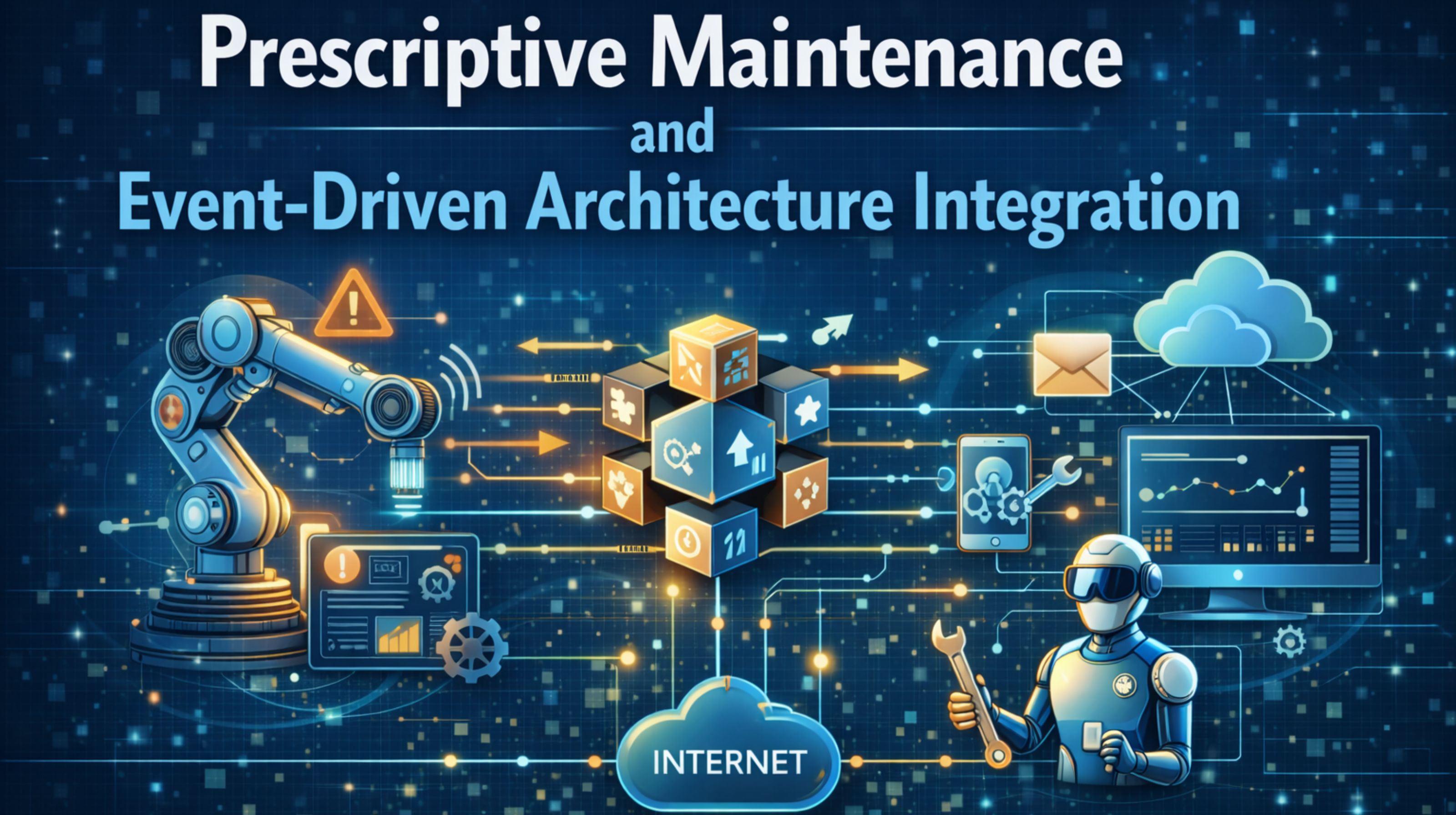
In practice, it's not just a smarter alert. It's a system that listens to equipment events, runs them through a decision model, and then publishes a specific work order or adjustment command back into another event stream. The real shift is moving from "something's wrong" to "do this exact thing next," all on the same messaging backbone.
The Reality of Merging These Two Systems
Here's what usually happens: teams find their event-driven setup is fantastic for moving data fast, but it wasn't designed for the slow, thoughtful thinking a prescriptive model needs. You'll have vibration spike events flying by in milliseconds, but the AI model that decides on a bearing replacement might need a few seconds to check historical data. That latency mismatch can be a real headache.
The Common Misunderstanding That Derails Projects
The biggest mistake? Treating the prescriptive recommendation as just another piece of data in an event. It's not. That output is an instruction—it triggers real-world actions like ordering parts or locking out a machine. This creates a serious need for a feedback loop that most event systems completely ignore: you have to track whether the prescription was actually followed and what the result was. If you don't, the model never learns and never gets better.
When This Integration Makes Sense (And When It Doesn't)
This approach is powerful for high-value, repetitive failures where the procedure is clear, like recalibrating a CNC machine after detecting tool wear. It's a poor fit for novel, complex failures or situations where operators really need context and the ability to say no. Honestly, the integration only pays off if your event streams already carry rich, clean sensor data and you have prescriptive models that are actually validated and ready to go.
FAQ
What's the main technical hurdle in this integration?
It's often state management. Prescriptive logic usually needs to look at a sequence of events over time, not just a single message, which really challenges typical stateless event processors.
Can I use my existing MQTT or Kafka topics for prescriptive commands?
Technically, you can. But you really should use a separate, dedicated topic with strict schemas for commands. Mixing sensor data and instructions on the same channel is a classic source of errors and security headaches.
How do you handle a prescriptive model being wrong or unsafe?
You have to build in a human-in-the-loop step by default. The architecture should route all prescription events to a dashboard for approval before they hit the action queue. It creates a necessary delay, but it's non-negotiable.
What's a practical first project to test this integration?
Start with a simple, non-critical maintenance rule you already do manually. Something like scheduling filter changes based on pressure differential events. It lets you test the whole event-to-work-order pipeline without taking on major risk.